3LPE Coated Steel Pipe Manufacturer & Supplier
Premium Three-Layer Polyethylene (3LPE) coated steel pipes for buried pipelines, providing exceptional external corrosion protection and durable mechanical resistance.
Quote Now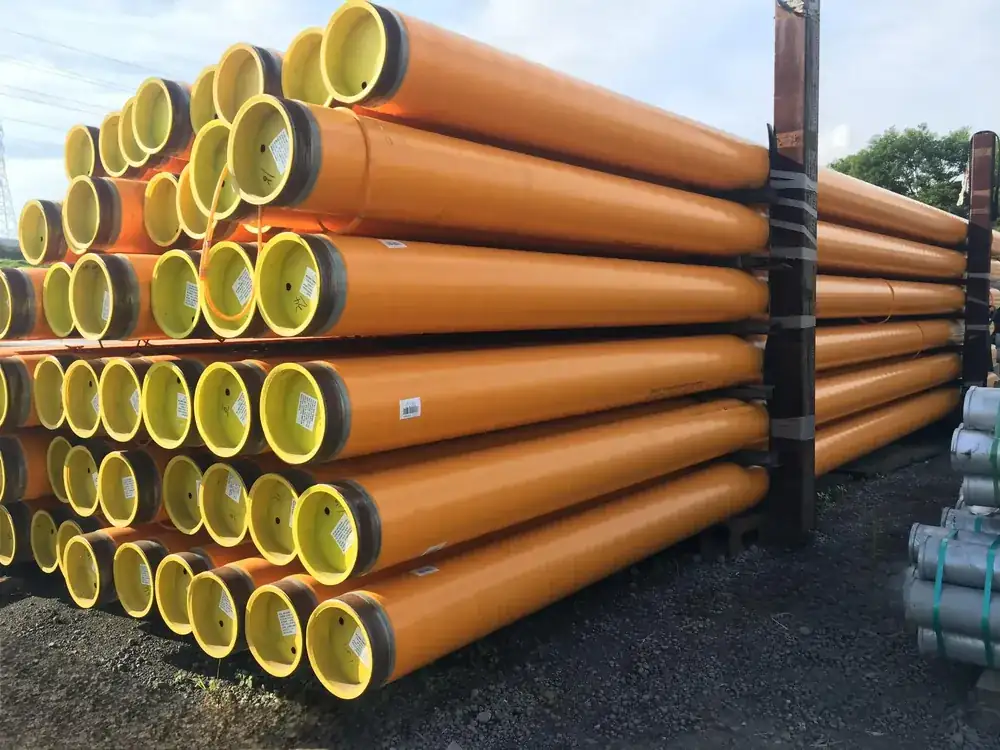
What Is 3LPE Steel Pipe?
3LPE (Three-Layer Polyethylene) coated steel pipes combine the high-performance corrosion resistance of fusion-bonded epoxy (FBE) with the robust mechanical protection of high-density polyethylene.
This three-layer system is widely specified globally for buried oil, natural gas, and water transmission pipelines to ensure long-term pipeline integrity in demanding soil and underwater environments.
3LPE Coated Steel Pipe Specifications
3LPE coated steel pipe specifications depend on the base pipe dimensions, steel grade, operating conditions, and project coating requirements. The following parameters should be confirmed before placing an order.
| Parameter | Typical Specification |
|---|---|
| Base pipe types | ERW, LSAW, SSAW, Seamless |
| Steel pipe standards | API 5L, ASTM and project-specific requirements |
| Steel grades | API 5L Grade B, X42, X52, X60, X65, X70, subject to availability |
| Outside diameter | According to base pipe and project requirements |
| Wall thickness | According to base pipe specifications |
| Standard coating specifications | ISO 21809-1, DIN 30670 |
| Coating structure | FBE primer + adhesive layer + polyethylene topcoat |
| Total coating thickness | Commonly around 2.0–4.5 mm; final minimum depends on standard and class |
| Surface preparation | Abrasive blast cleaning, typically Sa 2½ |
| Pipe length | Project-specific; commonly 6 m or 12 m |
| Inspection | Coating thickness, adhesion, impact resistance and holiday detection |
Key Coating Thickness Requirements
For 3LPE coated steel pipes, total coating thickness is determined by the selected coating class, pipe dimensions and installation conditions. For example, ISO 21809-1 specifies different minimum thicknesses according to pipe mass and coating class; DIN 30670 uses its own classification requirements. These values should not be treated as interchangeable. The coating thickness and acceptance criteria should be confirmed against the applicable standard and purchase specification.
3LPE Coating Standards
3LPE coated steel pipes are manufactured and inspected according to applicable coating standards and project specifications. ISO 21809-1 and DIN 30670 are two key standards used for three-layer polyethylene coatings on steel pipes, particularly for buried or submerged pipeline applications.
| Standard | Scope | Key Requirements |
|---|---|---|
| ISO 21809-1 | External coatings for buried or submerged steel pipelines used in pipeline transportation systems | Coating materials, application procedures, coating thickness, testing and inspection |
| DIN 30670 | Polyethylene coatings on steel pipes and fittings | Coating classification, thickness requirements, material properties and testing |
| Project-specific specifications | Requirements defined by the pipeline owner or engineering contractor | Additional requirements for coating performance, inspection, documentation and acceptance |
3LPE Coating Structure & Process
3LPE (Three-Layer Polyethylene) coating consists of three functional layers: a fusion-bonded epoxy (FBE) primer, a copolymer adhesive layer, and a polyethylene (PE) outer layer. Each layer provides a specific function to protect steel pipes against corrosion and mechanical damage.
First Layer: FBE
Fusion-Bonded Epoxy provides corrosion protection and superior adhesion to the steel surface.
Second Layer: Adhesive
A Copolymer Adhesive layer bonds the epoxy primer to the polyethylene outer layer.
Third Layer: PE
Polyethylene (PE) protects against moisture penetration, abrasion, and mechanical damage.
How Does 3LPE Coating Protect Steel Pipes?
- Surface Preparation: The steel pipe is cleaned by abrasive blasting to remove rust, mill scale and contaminants.
- FBE Application: Epoxy powder is applied to the heated steel surface, forming a corrosion-resistant primer.
- Adhesive Application: A copolymer adhesive layer bonds the epoxy primer to the PE topcoat.
- Polyethylene Extrusion: The outer PE layer is applied to provide mechanical protection and a moisture barrier.
- Inspection and Testing: Coating thickness, adhesion, surface condition and holiday detection are checked according to the applicable project specification.
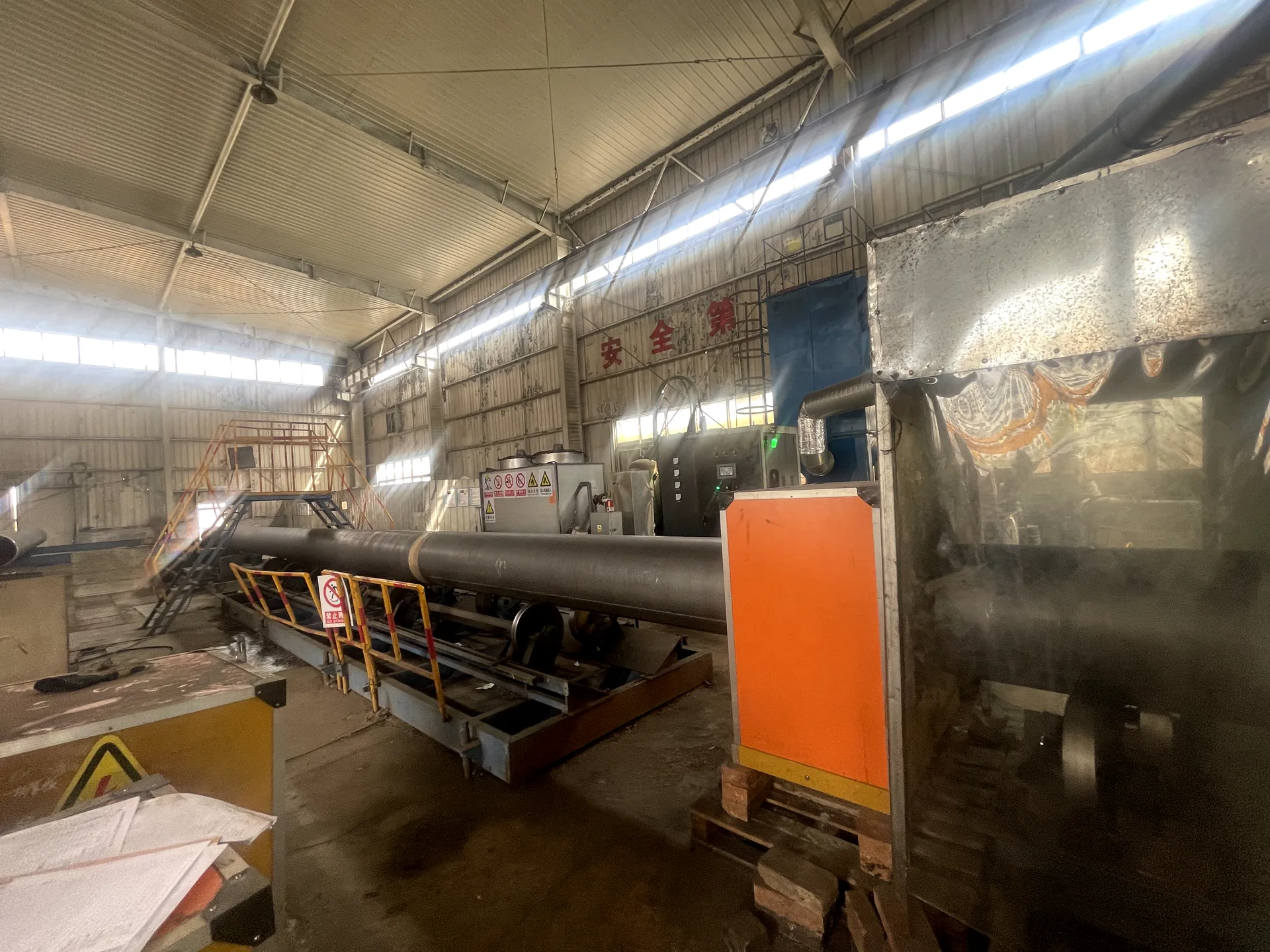
Why the Three Layers Matter: FBE provides corrosion resistance, the adhesive ensures interlayer bonding, and polyethylene offers a durable protective barrier. Together, these layers make 3LPE coated steel pipes suitable for buried oil and gas pipelines, water transmission systems and other underground infrastructure.
Why Choose 3LPE Coated Steel Pipes?
🛡️ Corrosion Resistance
Helps protect steel pipes against soil moisture and corrosive environments.
🔨 Mechanical Protection
The polyethylene outer layer resists abrasion and handling damage.
⏳ Long-Term Performance
Supports reliable pipeline operation when coating application, installation and field-joint protection meet project requirements.
Applications of 3LPE Steel Pipe
🛢️ Oil and Gas Pipelines
Used for crude oil, natural gas and refined petroleum transmission. The 3LPE coating provides external corrosion protection for buried pipelines and helps maintain long-term pipeline integrity.
💧 Water Transmission
Applied to buried water supply and transmission pipelines. The polyethylene outer layer helps protect the steel pipe against soil moisture and external corrosion.
⚙️ Industrial Pipelines
Used in process water and selected industrial fluid transportation systems where external corrosion protection and mechanical resistance are required.
🏙️ Municipal Infrastructure
Suitable for underground water distribution networks and utility pipeline projects, helping reduce external corrosion risks and maintenance requirements.
🌊 Offshore & Submerged
Used in selected offshore and submerged applications when the coating system meets project-specific environmental requirements.
3LPE Steel Pipe Handling and Installation
During transportation and installation, 3LPE coated steel pipes must be protected from impact, abrasion and sharp objects that may damage the coating. Pipes should be lifted with suitable padded equipment, stored on stable supports, and handled without dragging or dropping.
Before buried installation, inspect the coating, remove sharp debris from the trench, and repair any damaged areas using approved materials. Field-welded joints also require compatible corrosion protection before backfilling to ensure continuous external protection along the pipeline.
FAQ
Related Products
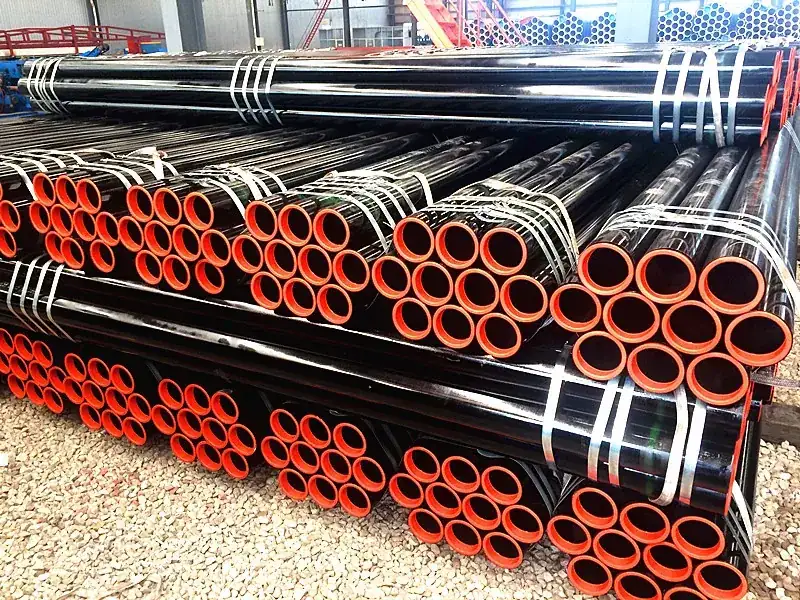
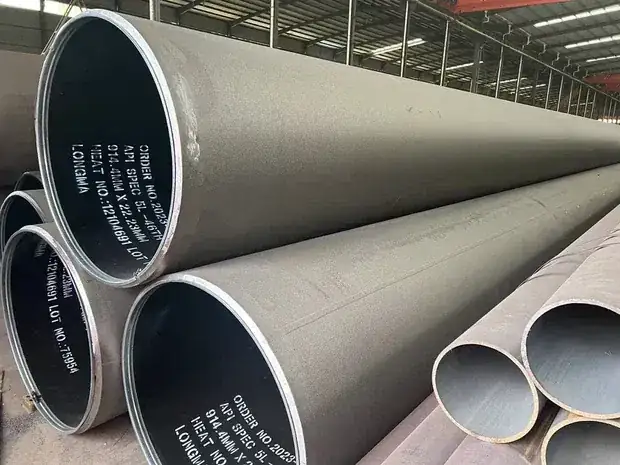
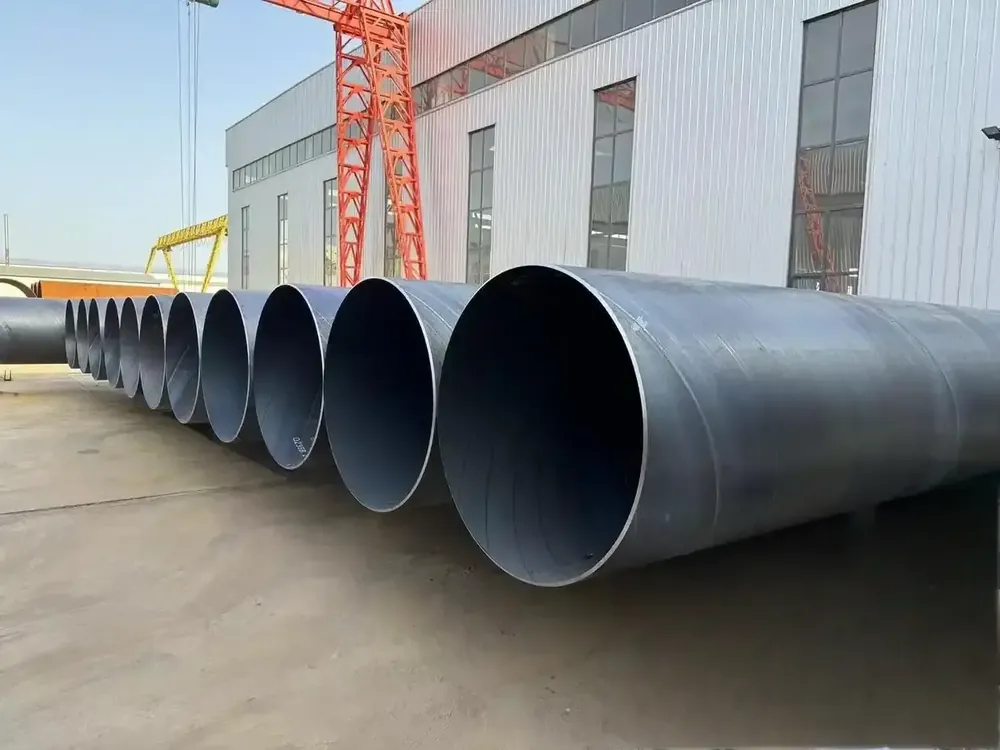
Further Reading & Applications
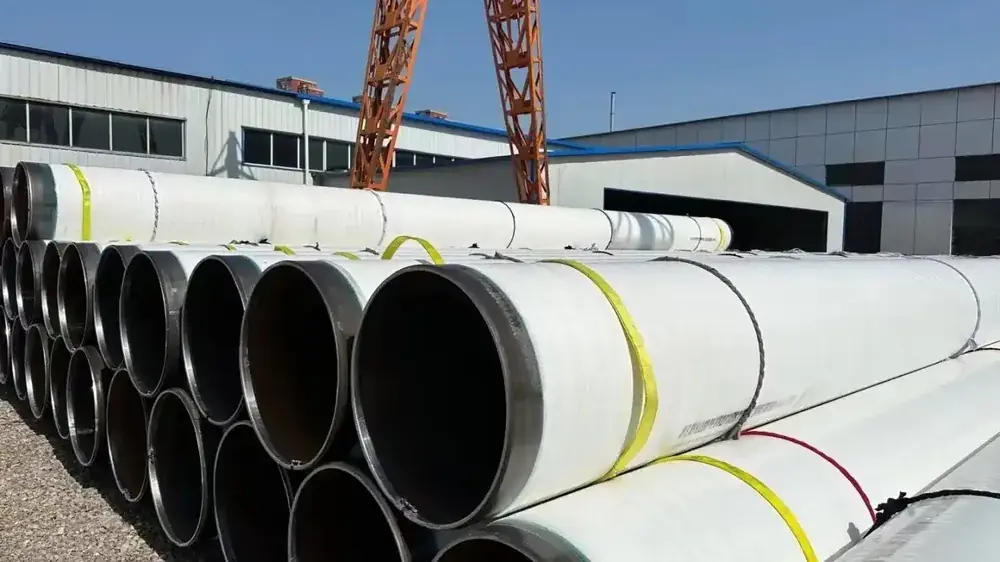
Coated pipe in the field
Need help selecting a grade or wall thickness? Read the steel pipe FAQ · send your specification.
Request a Steel Pipe Quote
Share your technical requirements. We provide compliant, high-performance pipe solutions with a guaranteed 24-hour response time.
- ✓ Strict adherence to API 5L & International Standards
- ✓ Tailored production for custom OD, WT, and steel grades
- ✓ End-to-end logistics support to your specified port