OCTG Tubing Pipe Manufacturer & Supplier
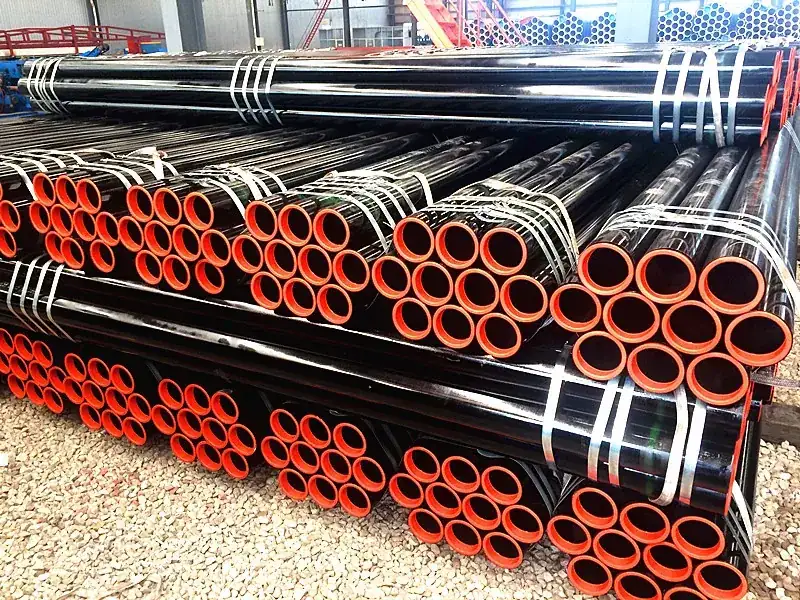
High-performance OCTG tubing designed to withstand internal pressure, axial loads, and corrosive production environments in oil and gas wells.
Quote Now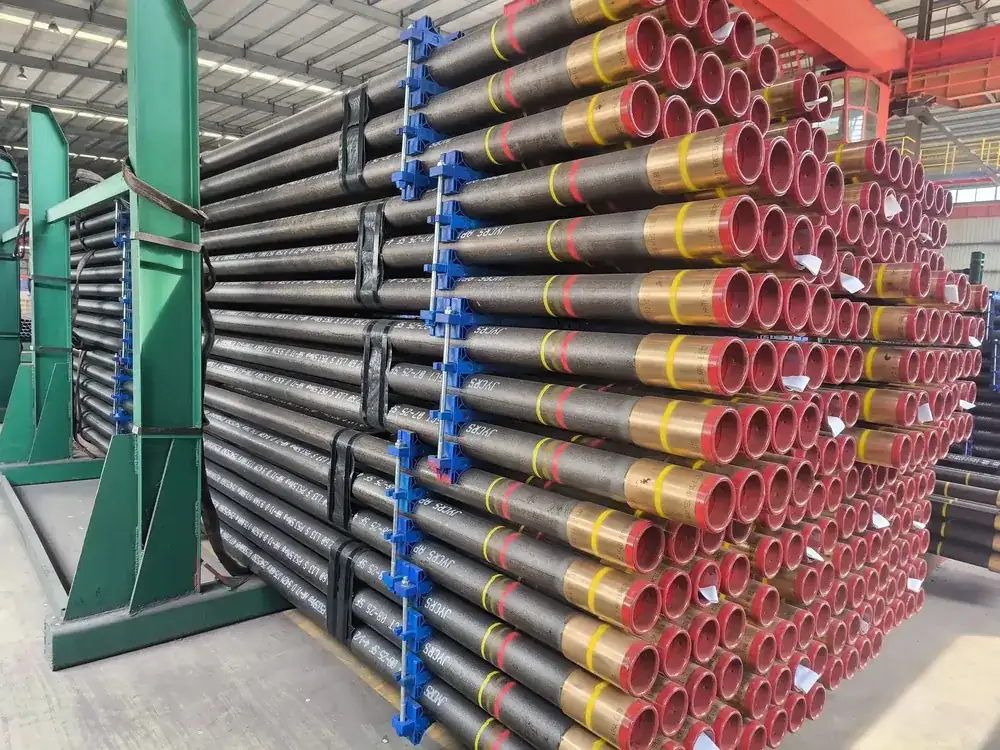
What Is OCTG Tubing Pipe?
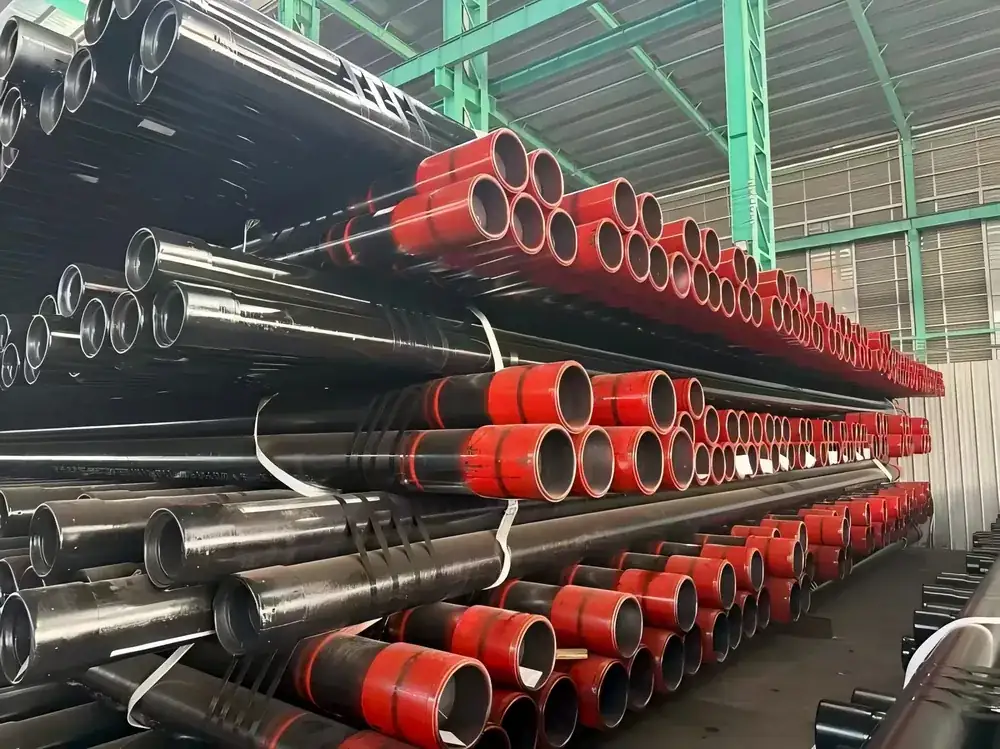
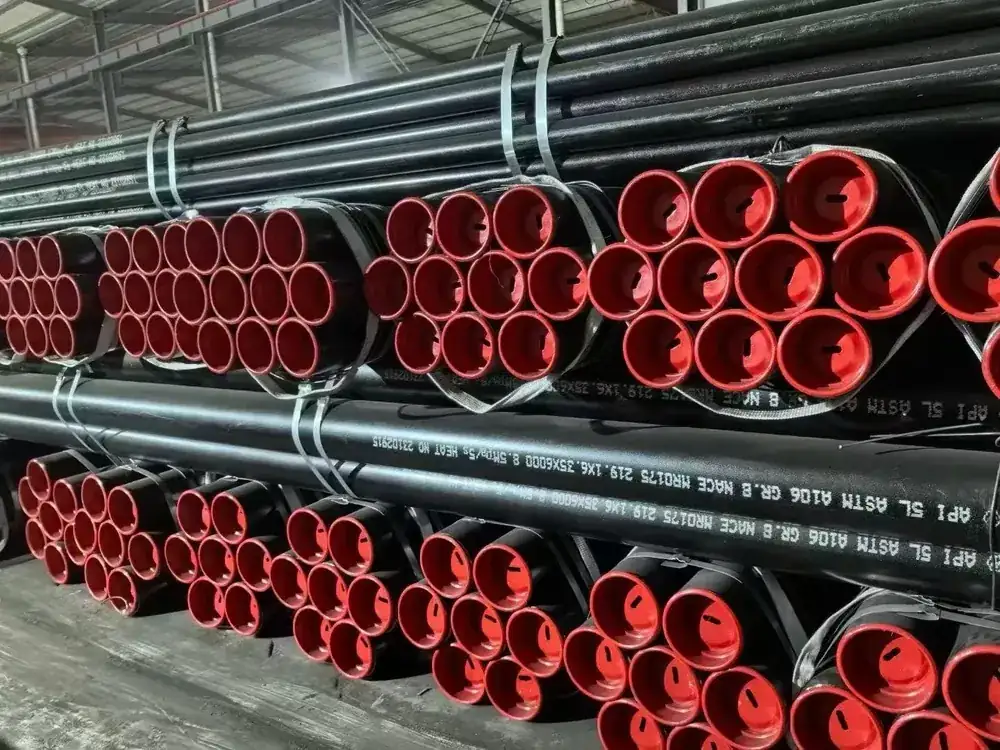
OCTG tubing pipe is a steel tubular product installed inside oil and gas well casing to transport oil, natural gas, and produced fluids from the reservoir to the surface.
It is designed to withstand internal pressure, axial loads, and the corrosive conditions encountered during well production. Starkpipes supports OCTG tubing sourcing for oil and gas projects with product selection based on specified dimensions, steel grades, connection requirements, and applicable standards.
OCTG Tubing Pipe Specifications
OCTG tubing pipe specifications are selected according to well design, production conditions, and applicable industry standards.
| Parameter | Reference Specifications |
|---|---|
| Product Type | Oil and Gas Well Tubing |
| Standard | API Specification 5CT |
| Steel Grades | J55, K55, N80, L80, P110 and other specified grades |
| Outside Diameter | 1.050"–4.500" (26.67–114.30 mm) as a common tubing size range |
| Common Sizes | 1.315", 1.660", 1.900", 2.063", 2.375", 2.875", 3.500", 4.000", 4.500" |
| Wall Thickness | Depends on nominal weight and size; commonly 2.5–12 mm |
| Connection Types | Non-upset (NU), external-upset (EU), and premium connections |
| Manufacturing Process | Seamless or other permitted product types, subject to specification |
| Length | API 5CT specified length ranges or project requirements |
| Inspection | Dimensional inspection, mechanical testing, and additional examinations as required |
The dimensions above are reference values, not a guarantee of availability across all grades and connections. Confirm the applicable API 5CT edition, nominal weight, wall thickness, connection, and order requirements before procurement.
OCTG Tubing Pipe Size Chart
| Nominal Tubing Size (in) | Outside Diameter (mm) | Typical Application |
|---|---|---|
| 1.050" | 26.67 | Small-diameter production tubing |
| 1.315" | 33.40 | Small-diameter production tubing |
| 1.660" | 42.16 | Production tubing |
| 1.900" | 48.26 | Production tubing |
| 2.063" | 52.40 | Production tubing |
| 2.375" | 60.32 | General oil and gas production |
| 2.875" | 73.02 | General oil and gas production |
| 3.500" | 88.90 | Higher-capacity production tubing |
| 4.000" | 101.60 | Large-diameter production tubing |
| 4.500" | 114.30 | Large-diameter production tubing |
Note: Dimensions are common API tubing size references. Actual wall thickness, nominal weight, steel grade, connection type, and availability depend on the applicable API 5CT requirements and project specifications.
OCTG Tubing Pipe Steel Grades
Different tubing grades provide different combinations of strength and service suitability.
| Steel Grade | Typical Selection Considerations |
|---|---|
| J55 / K55 | Commonly used in conventional oil and gas wells where the specified mechanical properties meet operating requirements. |
| N80 | Used in applications requiring higher strength than J55 or K55. |
| L80 | Available in specified grades for applications where controlled mechanical properties and, where applicable, sour-service requirements are important. |
| P110 | A high-strength grade used in wells with demanding load requirements. |
Important: Steel grade selection should account for well pressure, tensile loads, temperature, and the presence of corrosive substances such as hydrogen sulfide (H₂S) or carbon dioxide (CO₂). Grade selection alone does not establish suitability for sour service.
OCTG Tubing Pipe vs. Casing Pipe
OCTG tubing and casing serve different functions in oil and gas wells.
| Feature | OCTG Tubing | OCTG Casing |
|---|---|---|
| Main Function | Carries produced fluids to the surface | Supports the wellbore and isolates formations |
| Installation | Inside the casing string | Installed in the drilled wellbore |
| Primary Design Considerations | Internal pressure, axial loads, fluid compatibility | Collapse, burst, axial loads, and wellbore integrity |
| Maintenance | May be retrieved and replaced during well servicing | Generally forms part of the well's structural system |
Applications of OCTG Tubing Pipe
OCTG tubing is essential for various phases of well operation and production.
🛢️ Oil Production Wells
Transports crude oil from the reservoir to the surface facilities under high pressure and corrosive conditions.
🔥 Natural Gas Wells
Designed to handle high-velocity gas flow and potential corrosive elements like CO₂ and H₂S.
🌍 Onshore & Offshore
Used across diverse drilling projects, adapting to different environmental severities and installation loads.
⚙️ Artificial-Lift Systems
Integral to production systems requiring pumps or gas lift methods to maintain flow.
🧪 Corrosive Environments
Specified with corrosion-resistant materials or premium connections for sour service.
How to Select OCTG Tubing Pipe
OCTG tubing selection depends on well depth, operating pressure, production rate, temperature, and fluid composition. The following parameters provide a preliminary reference for selecting tubing size, steel grade, and connection type.
| Operating Parameter | Reference Range | Selection Focus |
|---|---|---|
| Well Depth | 1,000–3,000 m; 3,000–5,000 m; above 5,000 m | Tensile load and tubing weight |
| Operating Pressure | 10–35 MPa; 35–70 MPa; above 70 MPa | Wall thickness, burst resistance and connection rating |
| Production Rate | 100–500; 500–2,000 m³/day | Tubing ID and pressure drop |
| Temperature | Below 100°C; 100–150°C; above 150°C | Material properties and connection performance |
| Fluid Composition | Sweet, CO₂-containing or H₂S-containing fluids | Corrosion resistance and sour-service suitability |
Example: A well operating at 40 MPa and 120°C may require comparison of 2⅞-inch and 3½-inch tubing, with steel grade and nominal weight determined by pressure, axial loads, flow requirements, and fluid conditions.
Note: These ranges are preliminary screening references, not fixed selection limits. Final specifications require well-specific engineering calculations and verification against applicable standards.
FAQ
Related Products
Further Reading & Applications
Tubing selection
Project experience
Need help selecting a grade or wall thickness? Read the steel pipe FAQ · send your specification.
Request a Steel Pipe Quote
Share your technical requirements. We provide compliant, high-performance pipe solutions with a guaranteed 24-hour response time.
- ✓ Strict adherence to API 5L & International Standards
- ✓ Tailored production for custom OD, WT, and steel grades
- ✓ End-to-end logistics support to your specified port